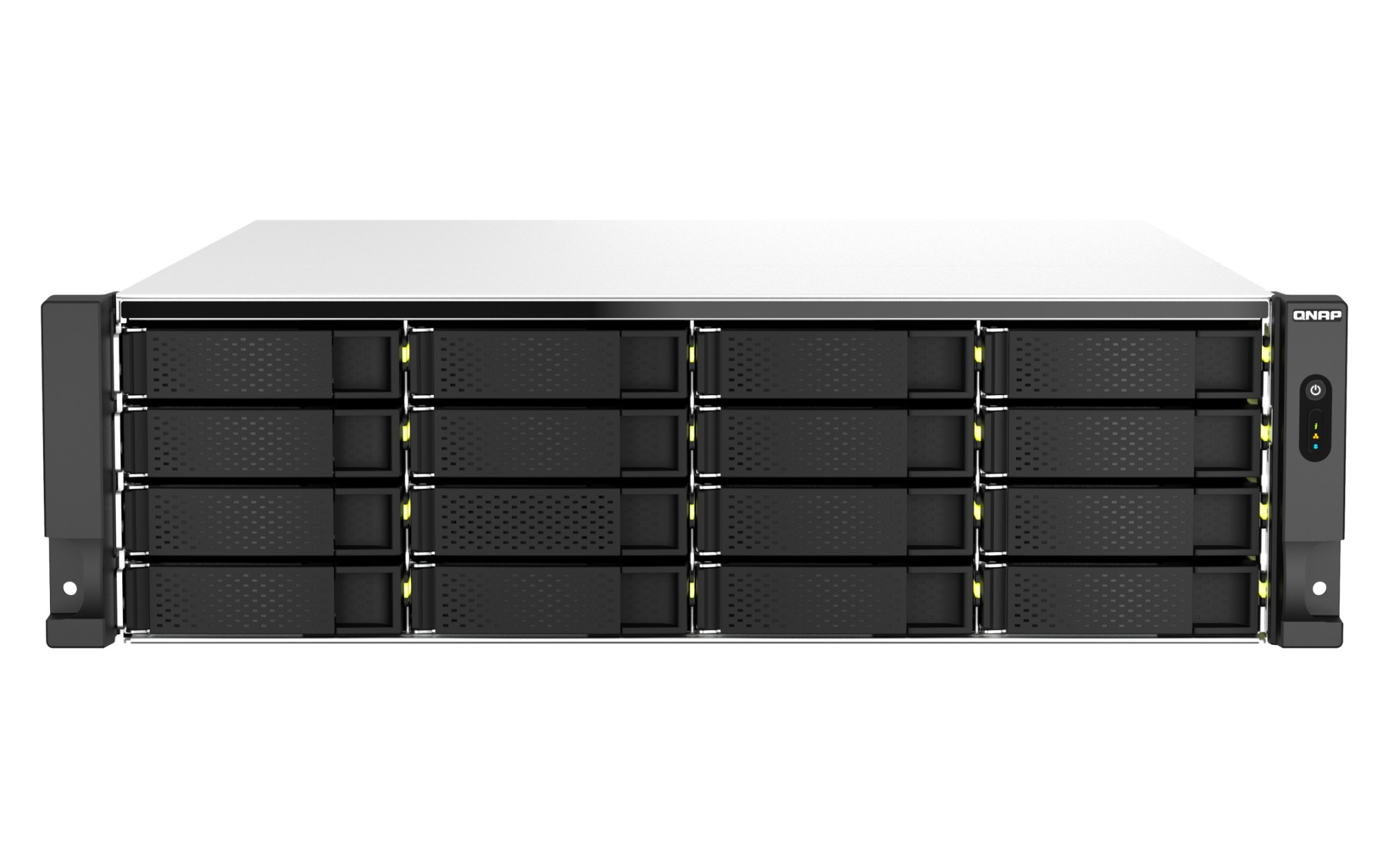
THE FINER DETAILSProduct details
Intel® Xeon® CPU Max 9462 2.7 GHz. 75 MB LGA 4677 (Socket E). Processor cores: 32 64-bit 350 W. Maximum internal memory supported by processor: 4 TB DDR4-SDRAM. Tray. Intel® Trusted Execution Technology. Intel® Trusted Execution Technology for safer computing is a versatile set of hardware extensions to Intel® processors and chipsets that enhance the digital office platform with security capabilities such as measured launch and protected execution. It enables an environment where applications can run within their own space, protected from all other software on the system. Intel® Virtualization Technology for Directed I/O (VT-d). Intel® Virtualization Technology for Directed I/O (VT-d) continues from the existing support for IA-32 (VT-x) and Itanium® processor (VT-i) virtualization adding new support for I/O-device virtualization. Intel VT-d can help end users improve security and reliability of the systems and also improve performance of I/O devices in virtualized environments. Intel® Virtualization Technology (VT-x). Intel® Virtualization Technology (VT-x) allows one hardware platform to function as multiple “virtual” platforms. It offers improved manageability by limiting downtime and maintaining productivity by isolating computing activities into separate partitions. Intel® 64. Intel® 64 architecture delivers 64-bit computing on server, workstation, desktop and mobile platforms when combined with supporting software.¹ Intel 64 architecture improves performance by allowing systems to address more than 4 GB of both virtual and physical memory. Cache. CPU Cache is an area of fast memory located on the processor. Intel® Smart Cache refers to the architecture that allows all cores to dynamically share access to the last level cache. Intel® AES New Instructions. Intel® AES New Instructions (Intel® AES-NI) are a set of instructions that enable fast and secure data encryption and decryption. AES-NI are valuable for a wide range of cryptographic applications, for example: applications that perform bulk encryption/decryption, authentication, random number generation, and authenticated encryption. Intel® Turbo Boost Technology. Intel® Turbo Boost Technology dynamically increases the processor's frequency as needed by taking advantage of thermal and power headroom to give you a burst of speed when you need it, and increased energy efficiency when you don’t. Max Turbo Frequency. Max Turbo Frequency is the maximum single-core frequency at which the processor is capable of operating using Intel® Turbo Boost Technology and, if present, Intel® Turbo Boost Max Technology 3.0 and Intel® Thermal Velocity Boost. Frequency is typically measured in gigahertz (GHz), or billion cycles per second. Execute Disable Bit. Execute Disable Bit is a hardware-based security feature that can reduce exposure to viruses and malicious-code attacks and prevent harmful software from executing and propagating on the server or network. Intel® Hyper-Threading Technology. Intel® Hyper-Threading Technology (Intel® HT Technology) delivers two processing threads per physical core. Highly threaded applications can get more work done in parallel, completing tasks sooner. Intel® VT-x with Extended Page Tables (EPT). Intel® VT-x with Extended Page Tables (EPT), also known as Second Level Address Translation (SLAT), provides acceleration for memory intensive virtualized applications. Extended Page Tables in Intel® Virtualization Technology platforms reduces the memory and power overhead costs and increases battery life through hardware optimization of page table management. Intel® Speed Shift Technology. Intel® Speed Shift Technology uses hardware-controlled P-states to deliver dramatically quicker responsiveness with single-threaded, transient (short duration) workloads, such as web browsing, by allowing the processor to more quickly select its best operating frequency and voltage for optimal performance and power efficiency. Intel® Crypto Acceleration. Intel® Crypto Acceleration reduces the performance impact of pervasive encryption and increases the performance of encryption-intensive workloads including SSL web serving, 5G infrastructure, and VPN/firewalls. Intel® Software Guard Extensions (Intel® SGX). Intel® Software Guard Extensions (Intel® SGX) provide applications the ability to create hardware enforced trusted execution protection for their applications’ sensitive routines and data. Intel® SGX provides developers a way to partition their code and data into CPU hardened trusted execution environments (TEE’s). Intel® Speed Select Technology – Core Power. Enables flexibility for workloads that benefit from higher base frequency on a subset of the processor’s cores. While the max turbo frequency across the cores remain constant across the cores, a subset of the cores can be assigned as to run at a higher base frequency than specified, while the other cores run at lower base frequency. Intel® Deep Learning Boost (Intel® DL Boost). A new set of...